

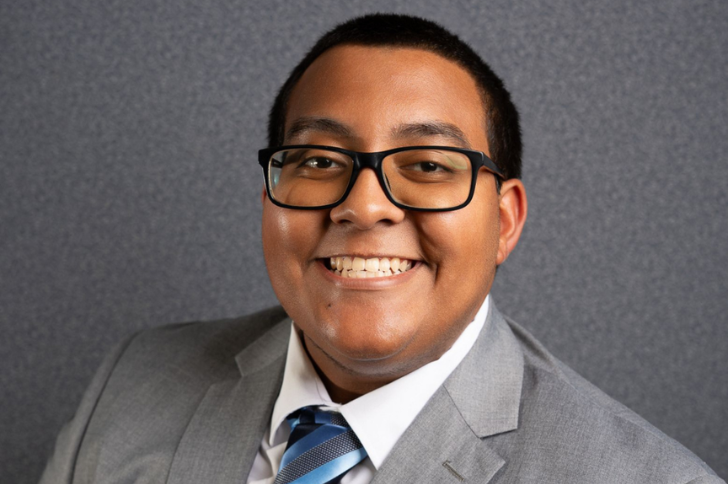
Undergraduate Profile: Shanon Jackson, Akron ’26
Shanon Jackson II is a senior at the University of Akron majoring in accounting and earning a certificate in sports business. He joined Phi Delta Theta in the fall of 2022 as a freshman. Over his four years in the Fraternity, he has been fortunate to create many great memories, serve in numerous leadership roles, and build lasting relationships with undergraduate and alumni brothers, both locally and nationally. He joined the Fraternity to take on a new risk and step outside of his comfort zone—a decision he considers the greatest of his college career. Phi Delta Theta has shaped him into a strong leader both within and outside of the Fraternity, a growth he credits to the brothers who guided him in his early years and to those he has had the opportunity to guide and support as they joined.
In five years, Shanon sees himself well removed from undergraduate life, having earned either a master’s degree or his CPA license. He plans to be an active member of his local alumni group, supporting future students and regularly volunteering in his community. He hopes to be comfortable and growing in his career, continuously expanding his knowledge and skills. Above all, he hopes to stay closely connected to the friendships and values that shaped him in college—using those experiences to mentor younger brothers and help them make the most of their time in Phi Delta Theta.
You have achieved 20 of 24 Rising Phi milestones. As one of our early adopters of this new program, what motivated you to start and keep going? How do you think it will help you beyond your college experience? If you could have started the program earlier in your college career, do you think anything would have changed because of Rising Phi?
The factor that motivated me to work to achieve my Rising Phi status was hearing about it the last time I was in Oxford at Kleberg. Hearing some of the staff and leaders of our Fraternity speak about the program made me wish it had come out earlier in my college career, rather than in my senior year. While I think my journey wouldn’t have changed very much, it would have served as a good outline when I was trying to figure out what my next step was in the Fraternity or on campus. Beyond college, the program has shown me that I can achieve important milestones by setting goals and following through with them. I believe this mindset will continue to help me throughout my career as I strive to keep learning and growing professionally.
You’ve attended Kleberg and McKenzie. What would you tell younger Phis about these opportunities?
I would tell younger Phi Delts that Kleberg is a necessary part of the college experience. The number of relationships you can build there can be life-changing and will always be there later down the road. It is special to see the shared brotherhood and pride of everyone gathered in Oxford that weekend!
Another important matter is being able to learn alongside brothers that come from different types of chapters sharing some different and similar problems. Something your chapter may be struggling with can be easily resolved by receiving advice and support from another chapter that has already battled the issue. If you have the privilege of being elected chapter president and attending McKenzie, it is a great privilege. I believe this great conference helps shape your mind and leadership style to better serve your local chapter brothers for the upcoming year. The volunteers and peer mentors help guide you through the most important topics surrounding the presidency and leadership in your chapter, and are there to support you throughout the year as you encounter different issues or struggles. Both Kleberg and McKenzie leave you with more than just possible ideas. They leave you with lifelong relationships, greater confidence, and a stronger understanding of what it means to lead and represent Phi Delta Theta.
What was your biggest takeaway from attending Kleberg’s Shaffer Honors College?
My biggest takeaway from attending Shaffer Honors College was gaining a better understanding of my personal leadership style and how to effectively lead a team through both challenges and change. The program also challenged me to think about life after college and how I can continue to use the values and experiences that the Fraternity taught me throughout my professional career. The conference pushed me to think about topics like innovation and ethical leadership, while also allowing me to learn from successful alumni and Fraternity volunteers who have already experienced many of the same situations I may face in the future.
