

Thank You hunter will new this morning today across central Georgia it is not uncommon to see historically black fraternities and sororities stepping or strolling but how did it all start hard morning reporter wanye Reis joins us live to explain how all these steps traveled thousands of miles to Central
Georgia alright juanny I have something for you well good Monday morning Erin and Caitlin when you go across college and university campuses it’s not uncommon to see people stepping but these steps they’ve traveled thousands of miles from Africa all the way here to Central Georgia across college and university
Campuses in central Georgia step is a common part of Greek life rodriguez Bundrage joined the iota gamma chapter of Phi Beta Sigma fraternity incorporated last year he says taking that step has given him a new beat and so when I started stepping and it gave
Me a way to express stuff and a point of connection Georgia College history professor Erin MacKinnon says this art form cannot be pinpointed to just one nation it says gumboot dancing as it’s known in South Africa is very close to what we see today you know when you see
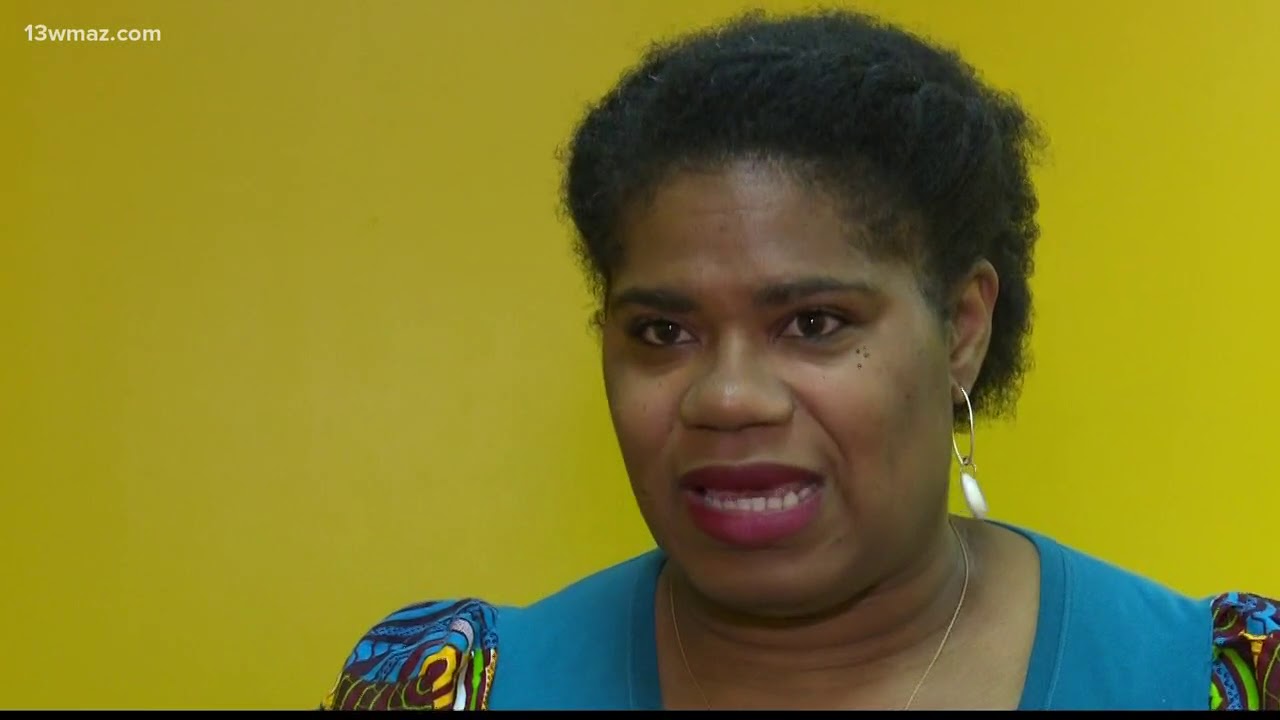
Something that’s done so well in its classic you don’t want to just you know imitate you want to celebrate and an honor Pilar Loudon who teaches African dance says during the apartheid period in South Africa mine workers would wear special boots because of the dangerous conditions as there’s lots of stagnant
Water in the in the mines and so people were getting sick getting sores and quite frankly the people in charge can’t afford to have their workers sick or out or even died because of illness in the dark in those dangerous conditions workers got creative using movements in the resulting sounds to connect with
Each other they route the chains on their boots they slap their boots they clap their hands and they create a way to communicate in the mines well that communication system made its way up out of the mines so Laden says when you compare gumboot dancing and stepping today there is no question the
Two are linked today black Greek organizations continue to pay honor to their African history by stepping our rhythm Bundrage says gives him a sense of belonging and in hearing people in the background like cheering you on they’ve like you better set it off and
All that stuff like it gave me a way to feel like a sense of accomplishment within myself and the historian says that these dances steps rather that you see are still very popular you can see a lot of them performed in South Africa and Aaron and Caitlin we want to see you
Stepping or strolling if you are a part of an organization that is in the NPHC council and I know you all watching may have been like wanye what are you gonna do this morning but I’m here to show you I’m a proud member incorporated and we
Are going to be showing off today make sure you stay with us we’ve been talking about it all morning live in Macon we bout to step one Erie’s 13 WM AC news to see that I have a little something for one a a little competition so that’s a
Look and there goes my mic that’s a little bit of what the deltas do so I’m excited to see what the Sigma’s have in store for us later on yes looking forward about it is important to note radition dances took place all over Africa the Zulu nation is just one of
Many examples of cultures that have made it here to the US so make sure you look for this story on the 13 WMA Zee Facebook page we want to see your pictures or videos of you stepping or strolling I know my Neos we call them the people who pledged
To under us in the sorority made a little cameo and Wan yeas package I was happy to see them there all right and coming up tomorrow
source
