

You could argue that the past 10 years or so have created some of the fastest wealth in history.
First crypto. Then mega cap tech stocks. Now AI.
So many overnight multi-millionaires.
Companies like OpenAI and Anthropic have gone from being worth a few billion dollars just a few short years ago to market valuations that are now estimated to be fast approaching $1 trillion.
Forget about the founders who are going to be gazillionaires. Think about all of the other employees who have become uber-rich in no time.
Now imagine knowing or living next to some of these people. The envy. The jealousy. The head games.
Venture Capitalist Deedy Das wrote a post about the mood in San Francisco right now with all of the newfound AI money. It’s not great.
He writes about the helpless feeling many in the Bay Area have who make good money but now worry they’ll never become wealthy because of AI labor market risks and a fear they’ve missed the train.
Even the rich people aren’t satisfied:
The rich aren’t particularly happy either. No one is shedding tears for them (and rightfully so). But those who have “made it” experience a profound lack of purpose too. Some have gone from <$150k to >$50M in a few years with no ramp. It flips your life plans upside down. For some, comparison is the thief of joy. For some, they escape to NYC to “live life”. For others still, they start companies “just cuz”, often to win status points. They never imagined that by age 30, they’d be set. I once asked a post-economic founder friend why they didn’t just sell the co and they said “and do what? right now, everyone wants to talk to me. if i sell, I will only have money.”
Boo-hoo, right?
Of course no one should feel sorry for these people. I certainly don’t. But I actually understand the sentiment. There are plenty of people today who have wealth but no purpose.
The money doesn’t fill a hole. The worries don’t always go away even with the wealth.
Look at this question I received a few weeks ago for Ask the Compound:
I’ve become increasingly fascinated by what might be called the self-constructed psychological prison many of us inhabit around personal finance. I find myself pouring over spreadsheets and projections that exceed any reasonable threshold of necessity — and yet anxiety persists regardless. It’s a subject that defies honest conversation among peers, and I’m aware it occupies a rather specific category of concern: the quintessential champagne problem.
For context: we’re planning roughly eight more years of work, approaching a net worth of approximately $5M, and living well within our means. I’m a disciplined saver and investor by nature. What eludes me is not the math — it’s the mental architecture around it. I’d welcome your recommendations for resources, frameworks, or practitioners who specialize in the intersection of behavioral finance and wealth psychology, specifically for those whose anxiety is disproportionate to their actual circumstances.
This is really well written. It’s honest. And it’s something I’ve been hearing from many wealthy people for years now.
The fact that these feelings exist is both comforting and depressing. There is no number that automatically makes you content. Rich people are still anxious. They still worry about money.
But rich people are also just like everyone else!
Everyone has money worries.
So what’s the solution?
First of all, money is nothing without meaning. You can’t solve an emotional problem with numbers. Money can provide convenience, comfort and safety but it can’t fix your feelings.
I’ve come to realize that gratitude is often the best medicine for the money-meaning mismatch.
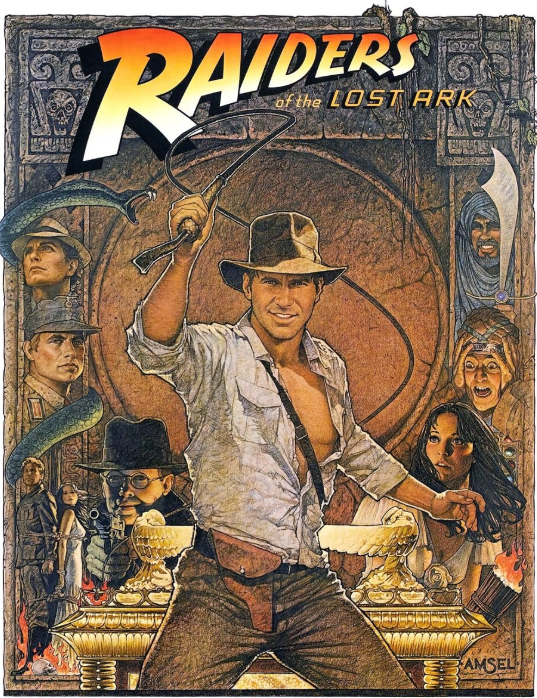
Harrison Ford is probably my favorite actor of all-time.1 I grew up on Indiana Jones.
Ford was on Where Everybody Knows Your Name with Ted Danson and Woody Harrelson recently. What struck me most is how much gratitude Ford has for the position he’s in. Some quotes from the interview:
[Talking about getting the Han Solo role for Star Wars] So, that’s how lucky I am. That’s the kind of luck I have.
I’m very grateful I was an overnight success and the night was 15 years long.
If you’re one of these rich people it’s not just that you’re doing better than 99% of the world’s population.
You need to find ways of remembering that you’re doing better than your previous self.
Money means nothing if you don’t have some appreciation.
Further Read:
The Upside of Gratitude
1Just edging out Tom Cruise, Tom Hanks and Denzel Washington.
