


It feels like we packed an entire year’s worth of news into the past week.
Let’s walk through some headlines to see what’s transpired.
On Tuesday the Democrats took back both the House and the Senate with resounding victories.
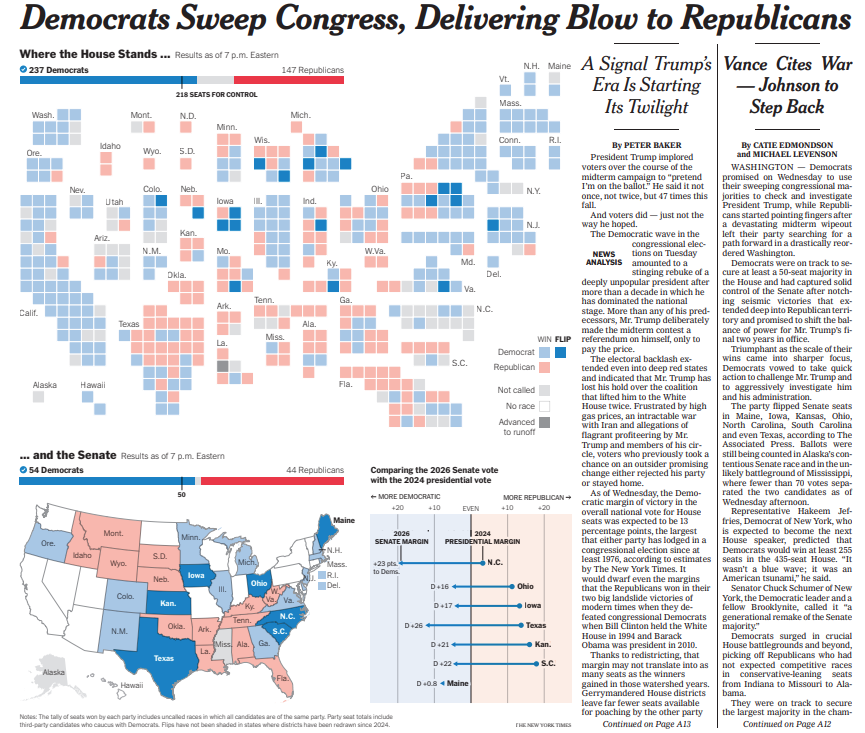
What does this mean for public policy? Inflation? Growth? Regulation? The markets?
Price always sets the narrative when it comes to the markets. This is even more true in politics. The recency bias following an election is off the charts.
The hard part is that it’s almost impossible to know in advance the difference between promises made on the campaign trail and the actual policy that passes in Washington, DC.
One of the biggest losers on the ballots was data centers: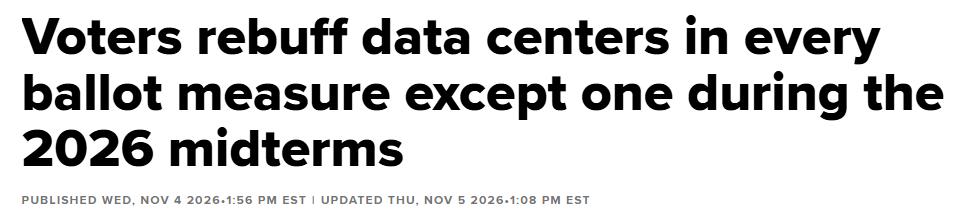
Either people don’t want them in their communities, they want more assurances about jobs and taxes, or they simply don’t know what all this AI investment means for their communities.
Can you blame them?
The messaging from AI leadership has been pitiful.
We’re going to take all of your jobs and there is also a decent chance we’re going to wipe out humanity. Can we build more data centers in your backyard to make this happen?
The stock market initially sold off in after-hours trading. By the time the market opened, stocks were up. They finished the day up nicely. The S&P 500 was up almost 2% on the day.
But the next day the route was on:
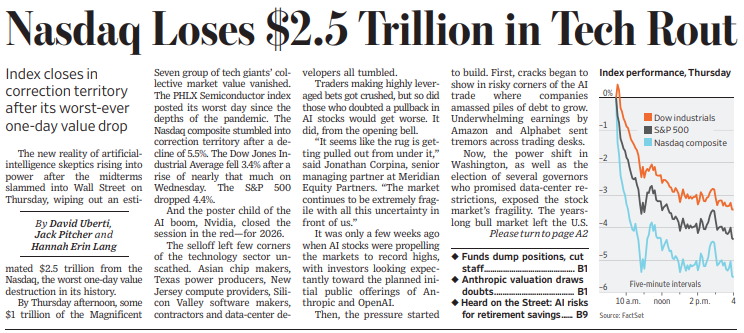
This was the worst day of the year by far. In fact, this was one of the worst days since the crash in 2020.
The S&P 500 was down more than 4%. The Nasdaq 100 fell almost 6%. AI stocks got bludgeoned. The momentum stocks got killed.
Many investors were asking questions:
Is this the end of the AI trade? Is the bubble finally bursting? Is this the end of a market regime?
Maybe.
It’s also possible this was just a bunch of hedge funds that got over-leveraged to the AI trade who were forced to unwind their positions.
Just look at all of these headlines from Bloomberg that showed up on one day:
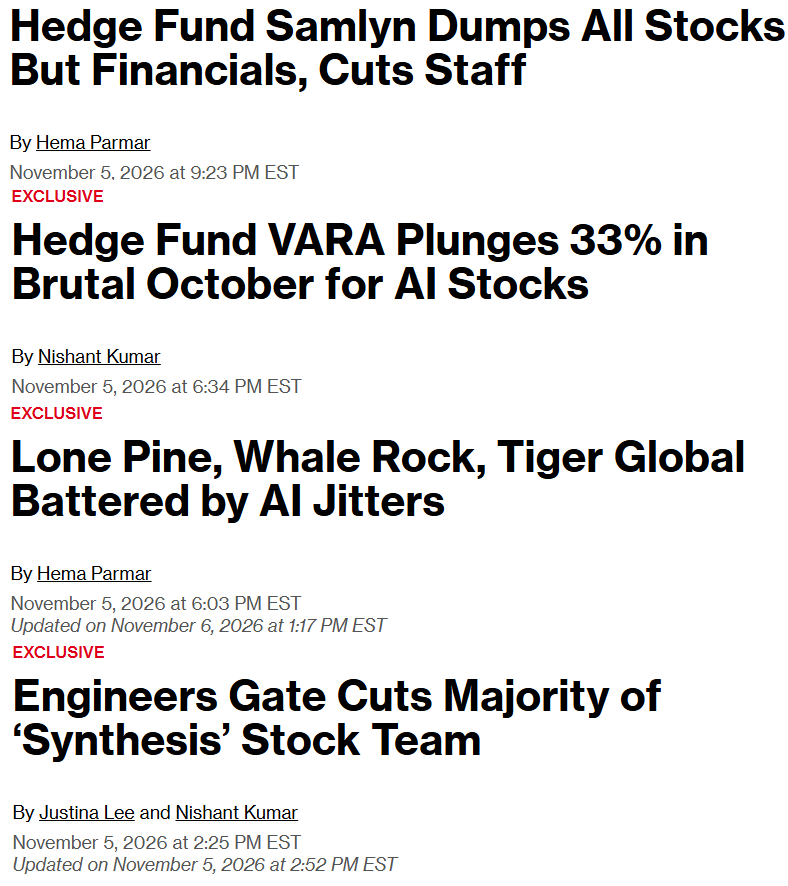
Hedge funds were unwinding positions, laying off staff and taking down their leverage. I don’t think people realize the extent of herding going on in the markets right now with the AI trade.
The market bounced back after a decent jobs report on Friday:
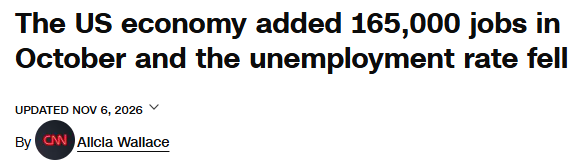
No one really seemed to care but the labor market remains resilient.
Then this weekend came a bombshell.
On Sunday Nvidia’s CEO, Jensen Huang, wrote an apology email to his employees and family for having an affair.
That’s not great but the woman is a known Chinese spy trying to pry AI secrets from one of the most powerful tech leaders in the world.
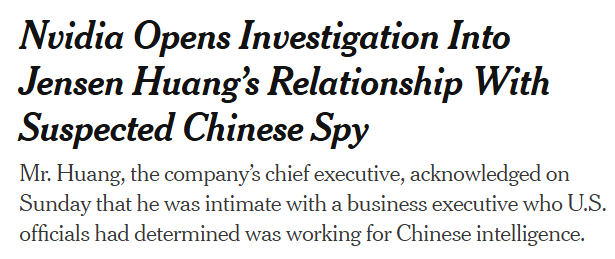
Wait what?!
This is a $5 trillion company. Huang is arguably the most important CEO for one of the most important corporations that is building out one of the most ambitious technological buildout ever.
I’m still having trouble wrapping my head around this one.
Nvidia’s stock was down a little less than 5% on Monday. But the rest of the market ripped.
The S&P 500 was up more than 2%. The Nasdaq 100 came roaring back, rising nearly 3% on the day.
Phew.
What a week.
After all of the headlines. After all of the crazy news. After all of the wild market swings…the S&P 500 was essentially unchanged from the close on Monday last week through the close on Monday of this week.
This is the kind of market where the only way to keep your sanity is to have a plan.
The narratives are constantly changing.
Market cycles are moving faster than ever.
Opinions on the AI boom change from week to week.
Politics are almost impossible to predict.
I don’t know how you could possibly navigate all of the potential landmines right now without some sort of investment guidelines in place to guide your actions.
I don’t know how the AI race will play out. I don’t know what the election means for the markets. No one could possibly predict what comes next in this crazy world of ours.
The only thing I know is that you need a plan in place you can follow come hell or high water no matter what happens.
Further Reading:
Diversification and Drawdowns
